

Colombo is where every kitchen on the island meets. Give it a weekend and eat your way from seafront fritter carts and midnight kottu to one of Asia’s most celebrated crab restaurants.
It is well past midnight on Galle Road and the city is still hungry. Under a bare strip light, a cook brings two steel blades down on a hot griddle, over and over, chopping flatbread, egg, chicken and curry gravy into a glossy, fiery tangle. The clatter carries half a block. This is kottu, and its rhythm is the soundtrack of Colombo after dark. Hear it once and you will hear it in your sleep.
Ask a local where to eat in Colombo and you’ll get a list, an argument and quite possibly an invitation to lunch. The city cooks with the whole island’s accent, Sinhalese village curries, Tamil spice from the north, Muslim street food and the rich, baked comfort food of the Dutch Burghers. Most visitors rush through on their way to the hill country or the southern beaches. But a weekend in Colombo promises a variety of gastronomy that is as varied as the island itself.
Friday – fritters at sunset, kottu at midnight
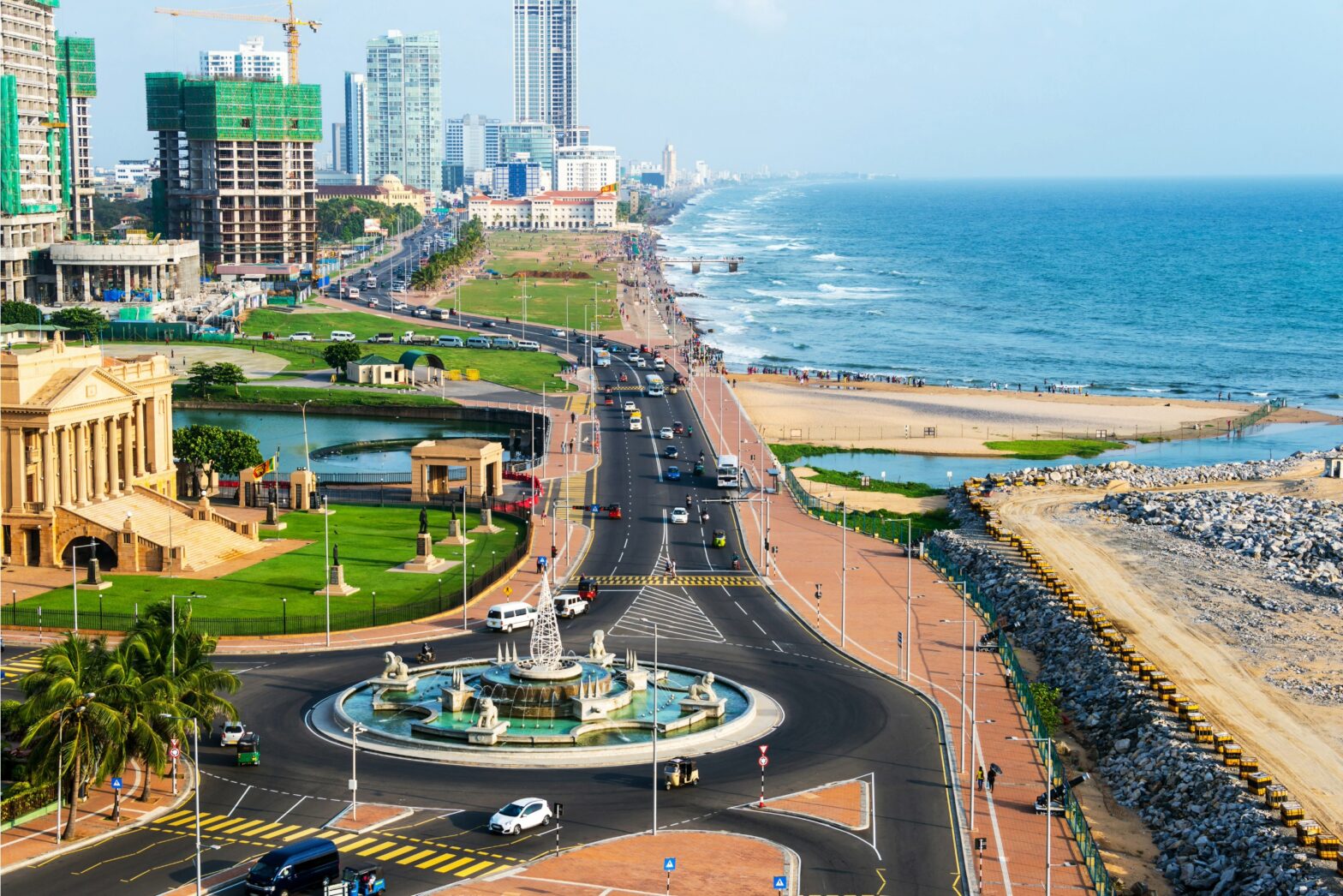
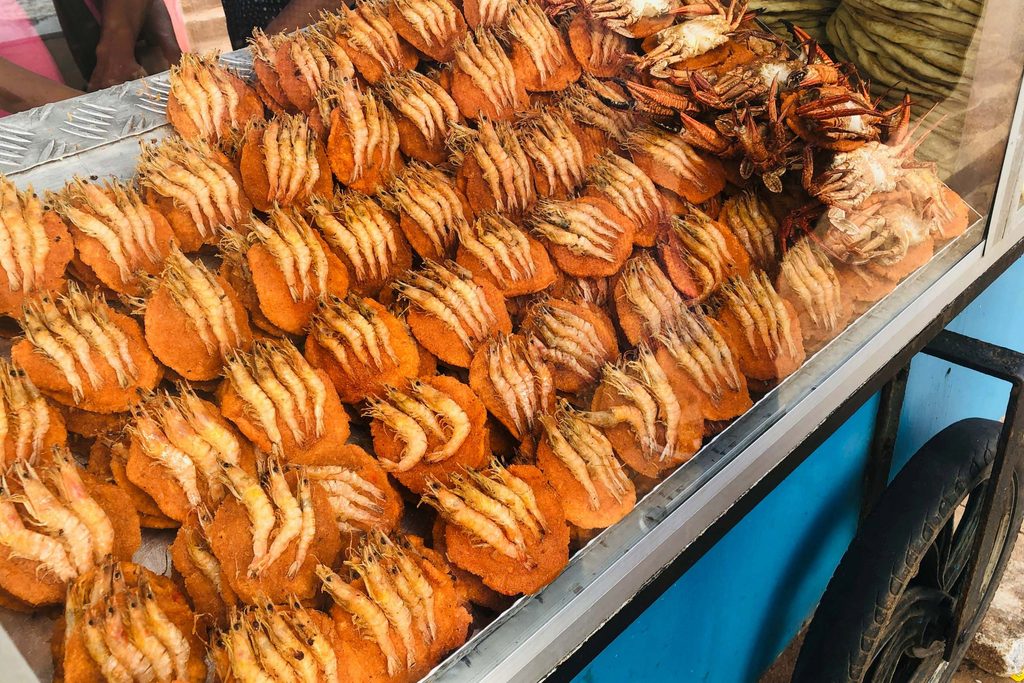
We begin at the promenade and the largest open space in Colombo. Galle Face Green stretches half a kilometer along the seafront between the colonial Galle Face Hotel and the Old Parliament building, and as the sun sinks into the Indian Ocean it fills with families, kite flyers and couples taking the evening air. Follow the smell of hot oil to the vendors’ carts and their neat stacks of Isso wade – lentil fritters crowned with whole prawns, fried until they crackle and finished with raw onion, green chilli and a sharp splash of vinegar. Pick the busiest cart and ask for a fresh batch straight from the pan.
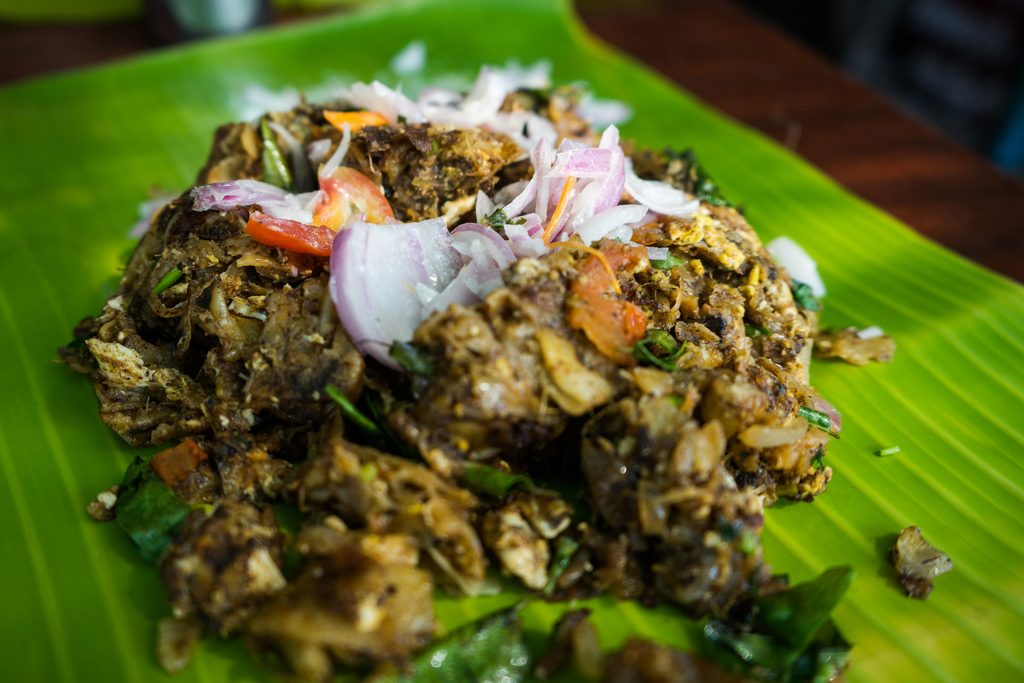
Later at night, join the rest of the city at Hotel de Pilawoos in Kollupitiya. It has stayed open around the clock since the late 1990s, when Colombo’s late diners adopted it as their last stop of the night, and its fame has spawned a small army of copycats along Galle Road, all borrowing the name. Make sure you’re at the original. Regulars eat in their parked cars off plastic plates. It isn’t glamorous. It’s perfect. Cheese chicken kottu and an iced Milo, the classic late-night double act. The cheese melts through the chopped roti andthe Milo cools the chilli.
Saturday – Burgher lunch, Bawa’s office and the crab
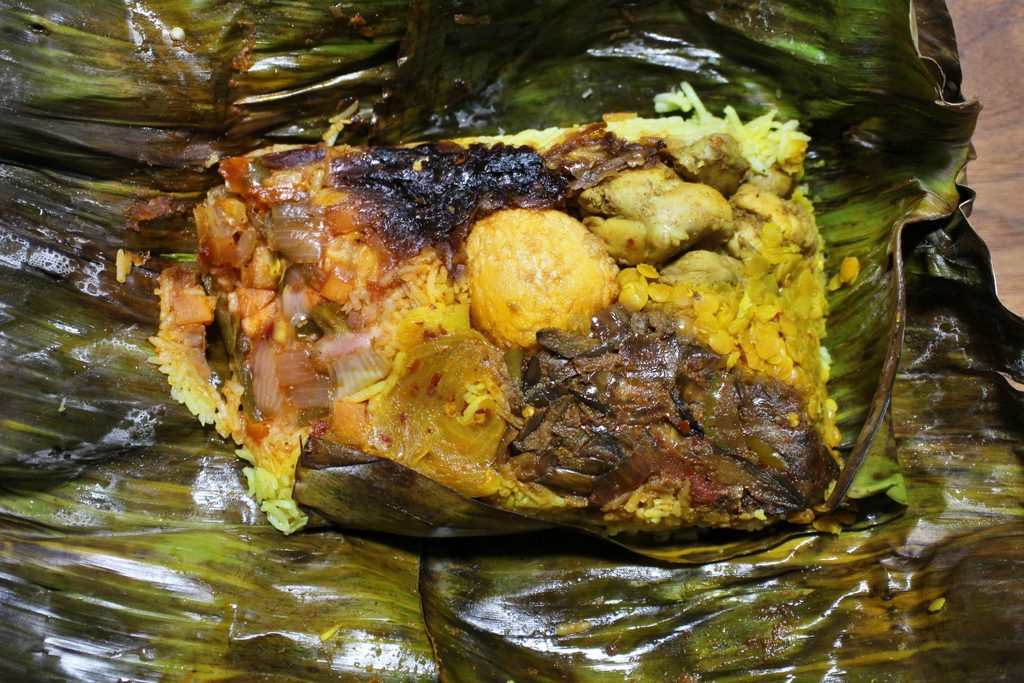
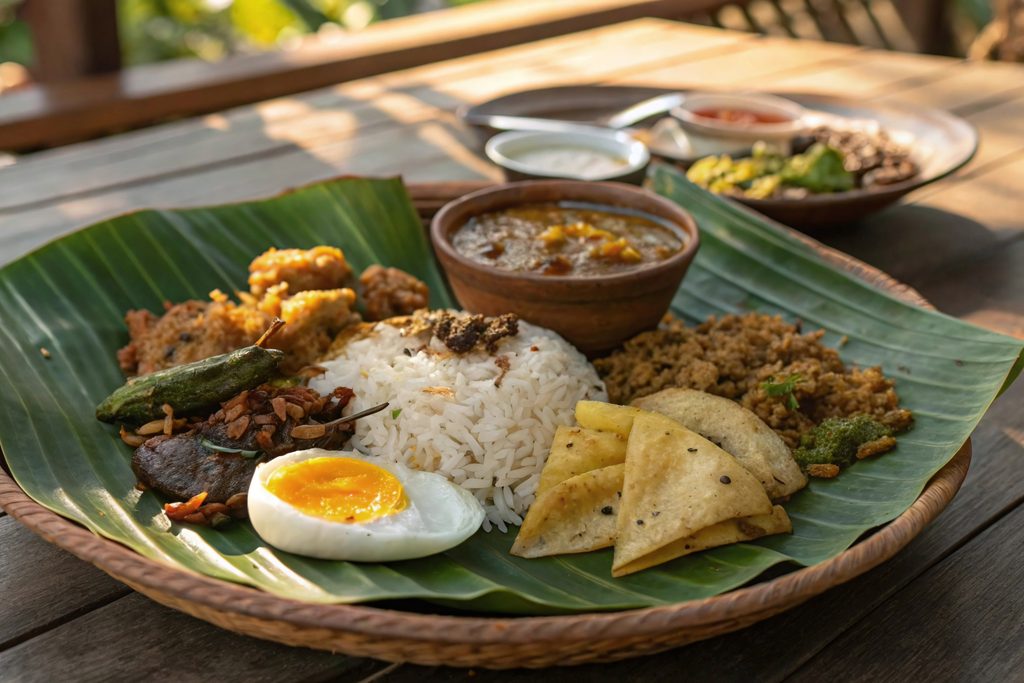
Lamprais is the great comfort food of Sri Lanka’s Dutch Burghers, a small community descended largely from Dutch and Portuguese colonists, and the place to eat it is their own clubhouse. The Dutch Burgher Union on Reid Avenue was founded in 1908 and today welcomes everyone. Unwrap the banana leaf parcel at the table and the steam brings everything at once: rice cooked in rich stock, meat curry, frikkadel meatballs, a dab of blachan prawn paste and brinjal. Arrive before midday. When the parcels are gone, they’re gone.
From there take a short tuk-tuk ride to The Gallery Café, set in the former office of Geoffrey Bawa, Sri Lanka’s most celebrated architect. It opened as a restaurant in 1998 with Bawa’s blessing. Walk through the gallery at the entrance, hung with contemporary Sri Lankan art, to tables around an open courtyard and a still reflecting pool. The black pork curry is the house classic. If lunch is still doing its work, settle in with coffee and the chocolate nemesis, a dessert some regulars visit for on its own.
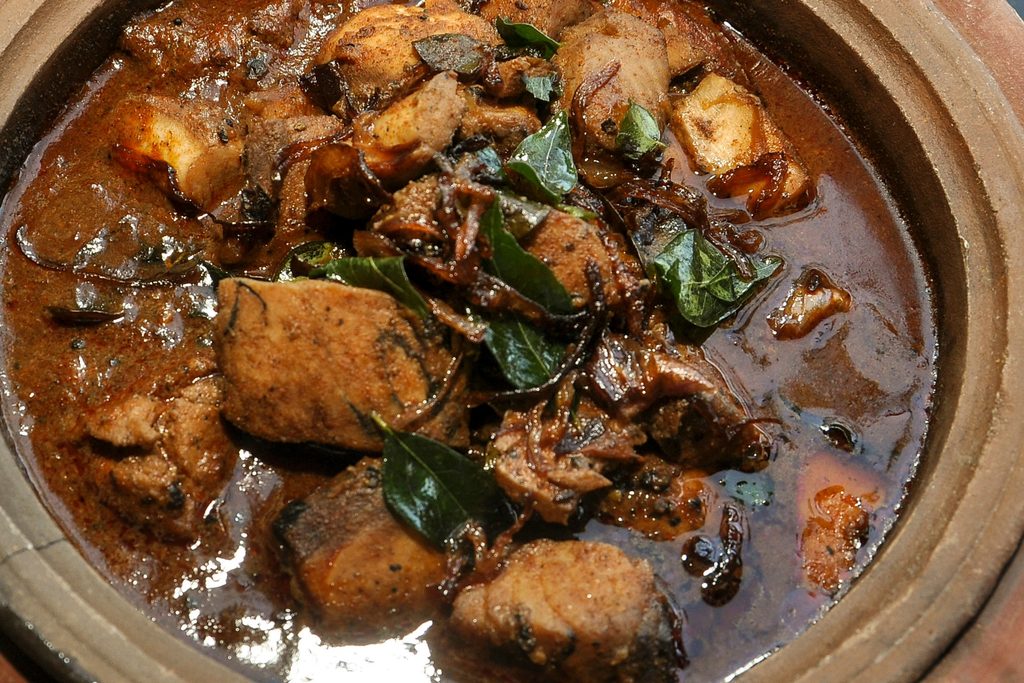
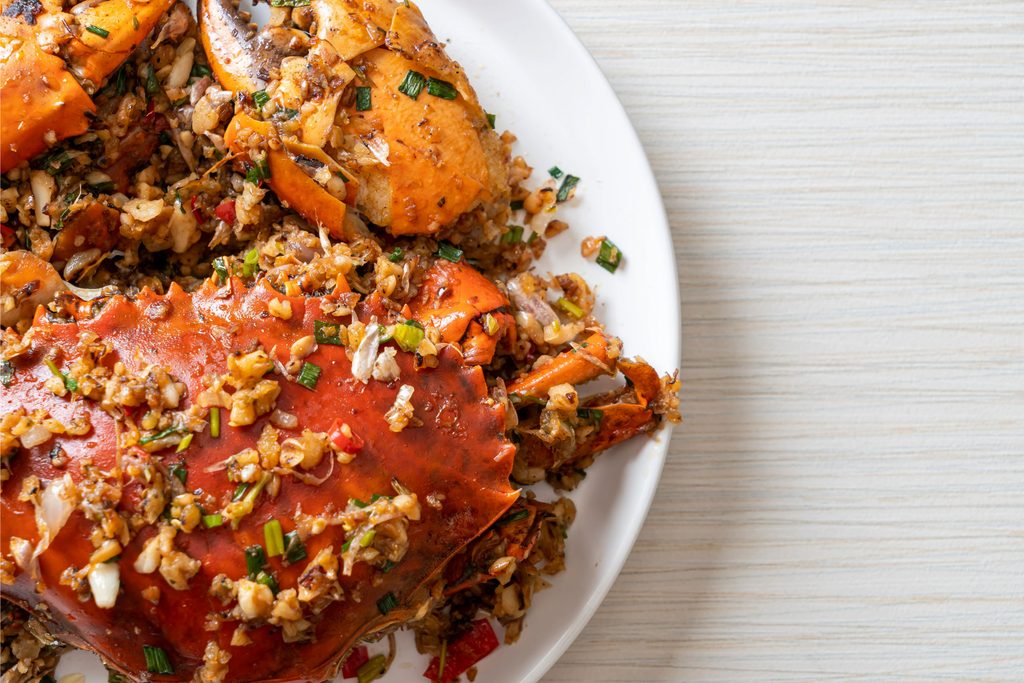
For dinner, head to the Ministry. Arguably, the most popular crab restaurant in the World, Ministry of Crab is housed in the Old Dutch Hospital in Colombo Fort, a 17th-century building restored as a dining and shopping precinct. Chef Dharshan Munidasa opened it in 2011 with cricket greats Mahela Jayawardene and Kumar Sangakkara, and it has spent years on Asia’s 50 Best Restaurants list. The star is Sri Lankan mud crab, sold by size from half a kilo up to the two-kilo Crabzilla. The menu is written as a constitution, and one of its articles assures diners that eating with their hands is perfectly acceptable. It’s pure magic when Garlic chilli crab, the house original, where Italian olive oil, garlic, Sri Lankan chilli flakes and Japanese soy meet the island’s mud crab.
Sunday – a taste of Jaffna
End the weekend in the north without leaving Galle Road. Palmyrah, in the Renuka City Hotel, has served Jaffna Tamil cooking from family recipes since 1972. Northern cooking is darker and more aromatic than the south’s, generous with fennel and lighter on coconut milk.
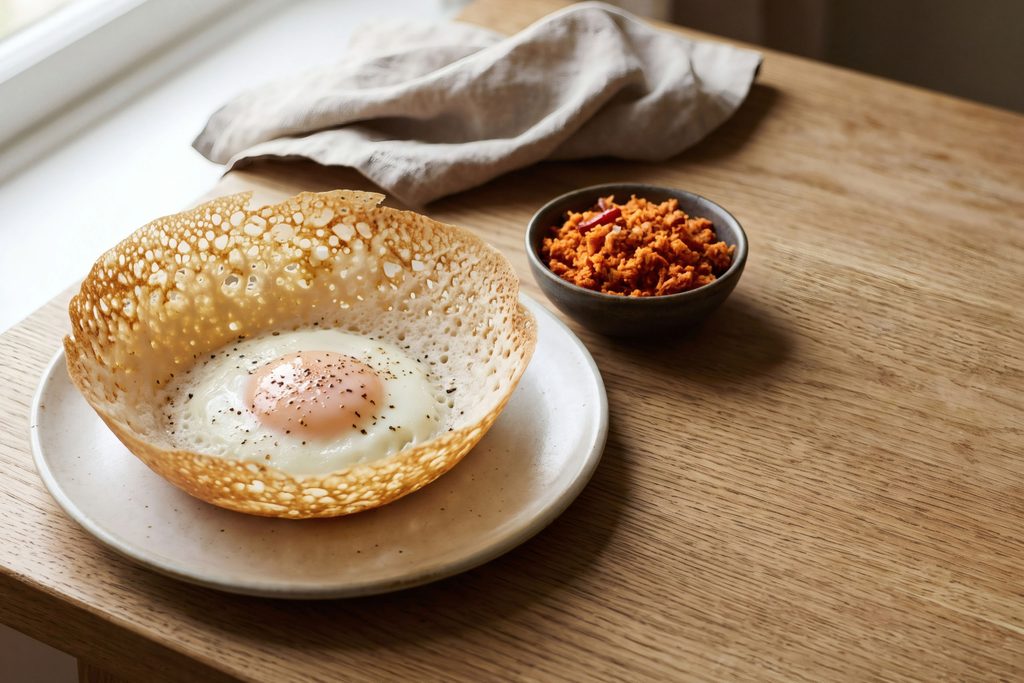
This is the place for hoppers, the bowl-shaped rice-flour pancakes Sri Lankans eat for breakfast or supper, crisp and lacy at the edges and soft in the middle. Have one with an egg cracked into it, then a milk hopper, its centre set with sweet coconut milk and a rare find in Colombo. If Saturday hasn’t cured you of crab, the Jaffna crab curry is a fiery rematch.
A gastronomic stay in Colombo is a must whether its a weekend or a day. The millefeuille of cultures, food, laughter are the heart of what Colombo offers, whether its the start of a holiday or the finish
Getting there:
Jetstar launched direct flights from Melbourne to Colombo in August 2026, timed for same-day connections from Christchurch and, on selected days, Auckland. SriLankan Airlines also flies direct from Melbourne. Since 25 May 2026, New Zealand passport holders have been eligible for a free 30-day tourist ETA. Apply online before you travel.



Recent Comments