
In Botswana’s far north, the Chobe River does the hard work of a safari for you. Spend your mornings on land, your afternoons on the water and your nights moored on the river itself, and the animals simply keep coming.
The engine cuts out and the silence arrives all at once. Thirty metres away, a breeding herd of elephants has stopped at the edge of the Chobe River. The matriarch tests the air with her trunk, takes a few cautious steps into the shallows, and then the rest follow – aunts, sisters, and a calf small enough to shelter beneath its mother’s belly. Within minutes the water is churning. Some drink. Some spray mud across their backs. A young bull wades deeper, and deeper still, until only the crown of his head and the tip of his trunk show above the surface, held aloft like a snorkel as he swims for the island on the far side.
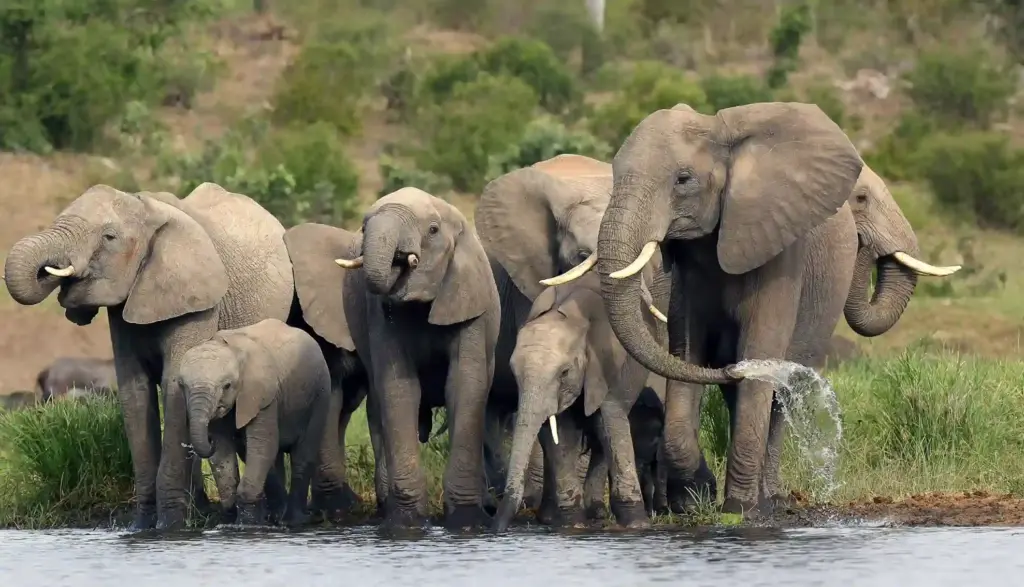
Nobody on the boat says a word. Nobody needs to. This is the moment that defines a Chobe safari, and through the dry months it plays out almost daily. You don’t chase it. You simply float in its path and wait.

Where the elephants come to drink
The numbers explain why. Botswana is home to more elephants than any other country on earth. A coordinated aerial survey in 2022 counted roughly 131,900 within its borders, part of a population of around 227,900 across the Kavango Zambezi Transfrontier Conservation Area, the five nation conservation zone that now holds more than half of Africa’s remaining savannah elephants.
Chobe National Park, Botswana’s first national park, sits at the heart of that range. For much of the year its herds are scattered across the interior, drinking from seasonal pans. Then the rains stop. From May the pans begin to shrink, and by August the elephants have little choice but to walk north to the one source of water that never fails them. In the late dry season the riverfront becomes a slow grey procession, with family after family arriving through the afternoon to drink, bathe and cross.
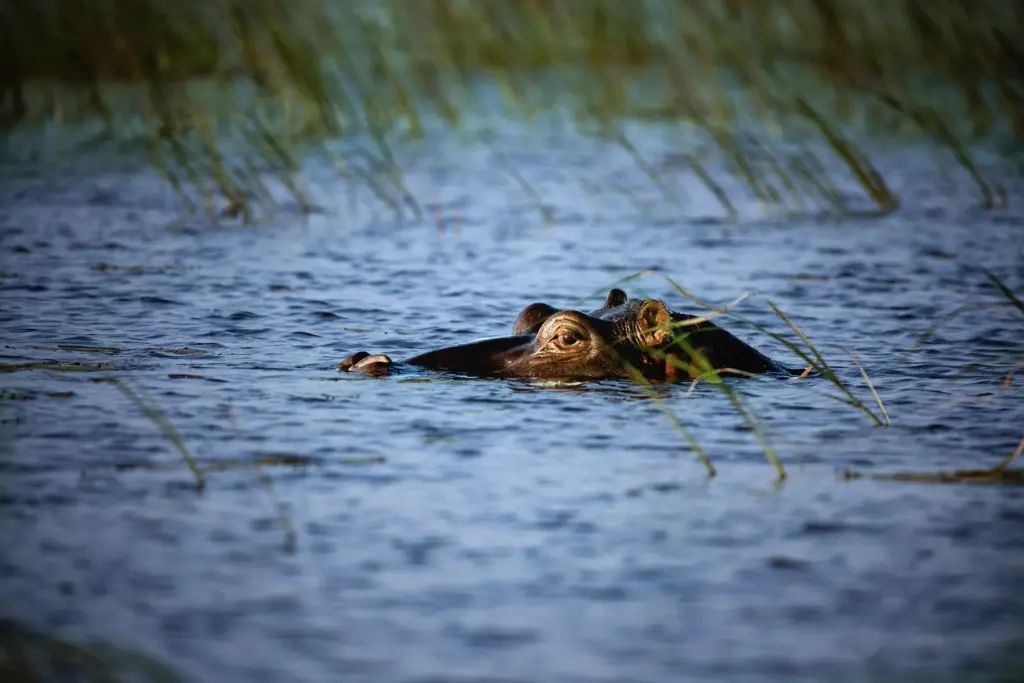
They do not come alone. Buffalo gather on the floodplains in their hundreds. Hippos crowd the channels, crocodiles bask on the sandbanks, and the puku, a water loving antelope rarely seen anywhere else in Botswana, grazes the wet grasslands. More than 450 bird species have been recorded here, from African fish eagles calling from dead trees to African skimmers slicing the surface of the river with their lower bills.
Why the water wins
A game drive and a boat cruise cover the same stretch of river, yet they could hardly feel more different. On land you look down on the animals from the raised seat of a vehicle, and in high season you will often share a sighting with several others. On the water you sit almost at eye level. The animals, long accustomed to boats, carry on as though you weren’t there.
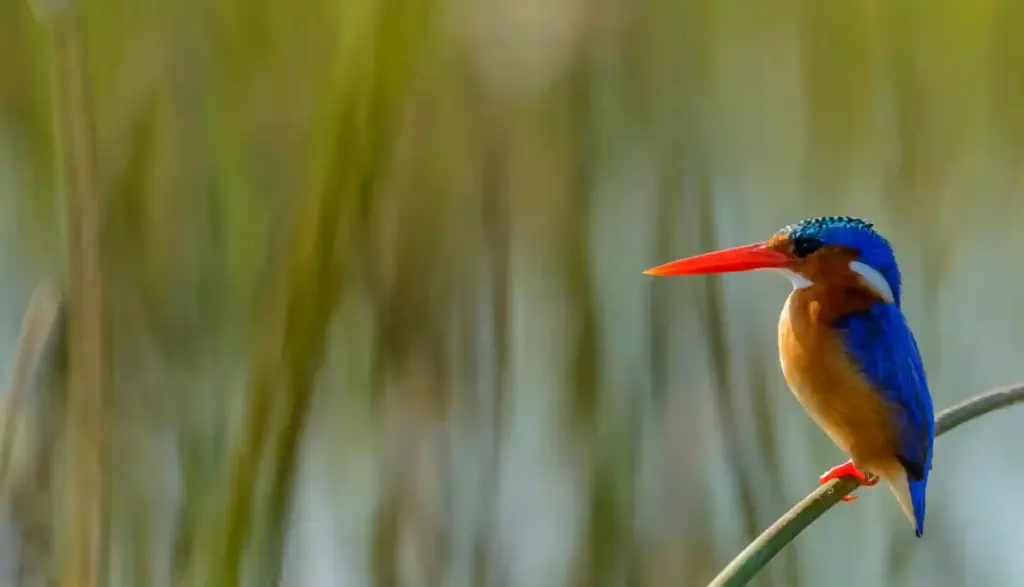
Kingfishers hunt from reeds close enough to touch. Specialist photographic boats now operate out of the town, fitted with swivel seats and camera mounts that let you turn from one bank to the other without disturbing anyone else on board. Even without one, a simple tender boat on a still afternoon puts you closer to Africa’s largest land mammal than almost any vehicle can.
Sleeping on the river
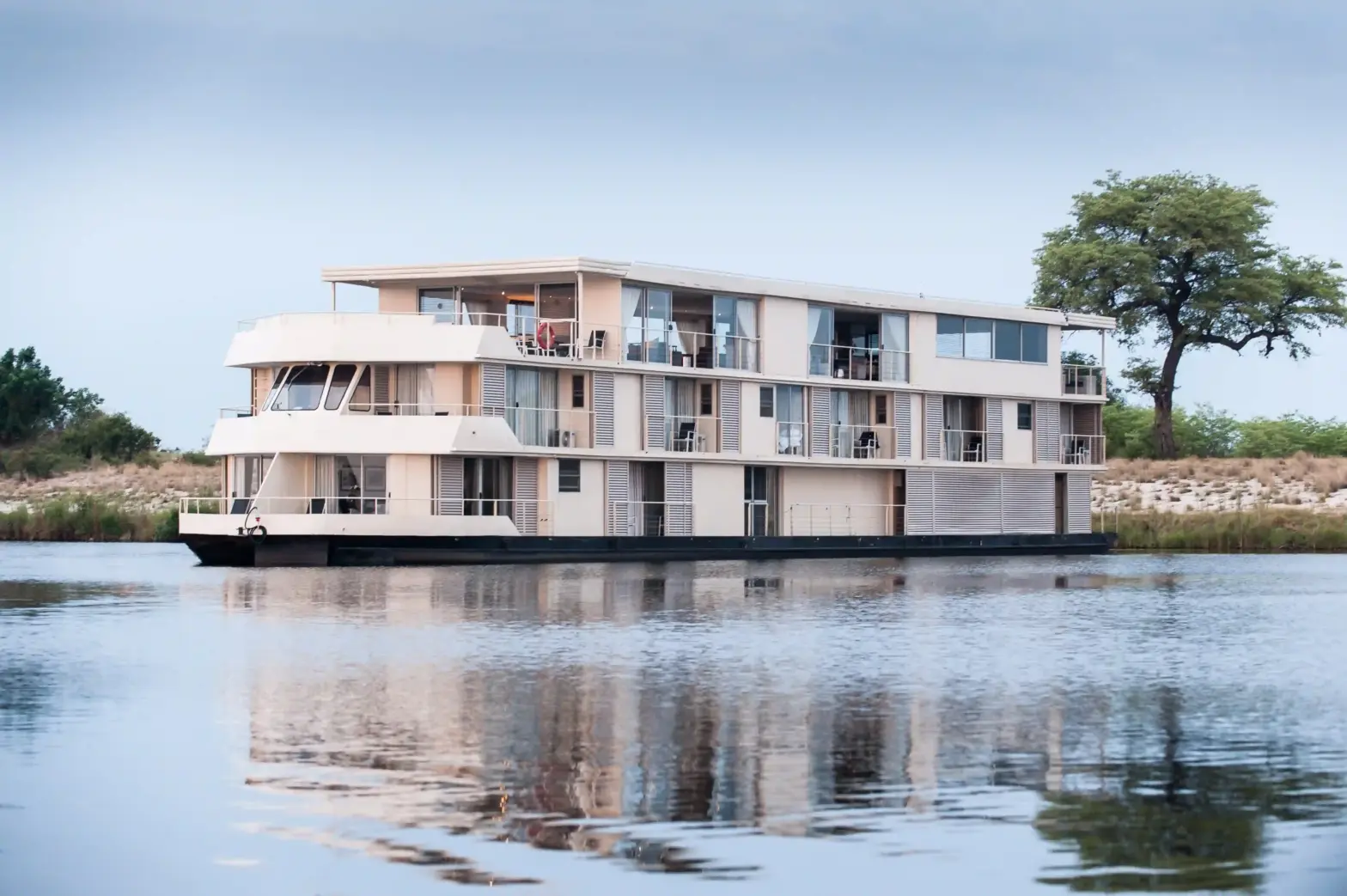
Most visitors base themselves in lodges around Kasane and dip into the park by day. The better option is to stay on the river itself. A small fleet of houseboats is moored along the Namibian bank, across the water from the park.
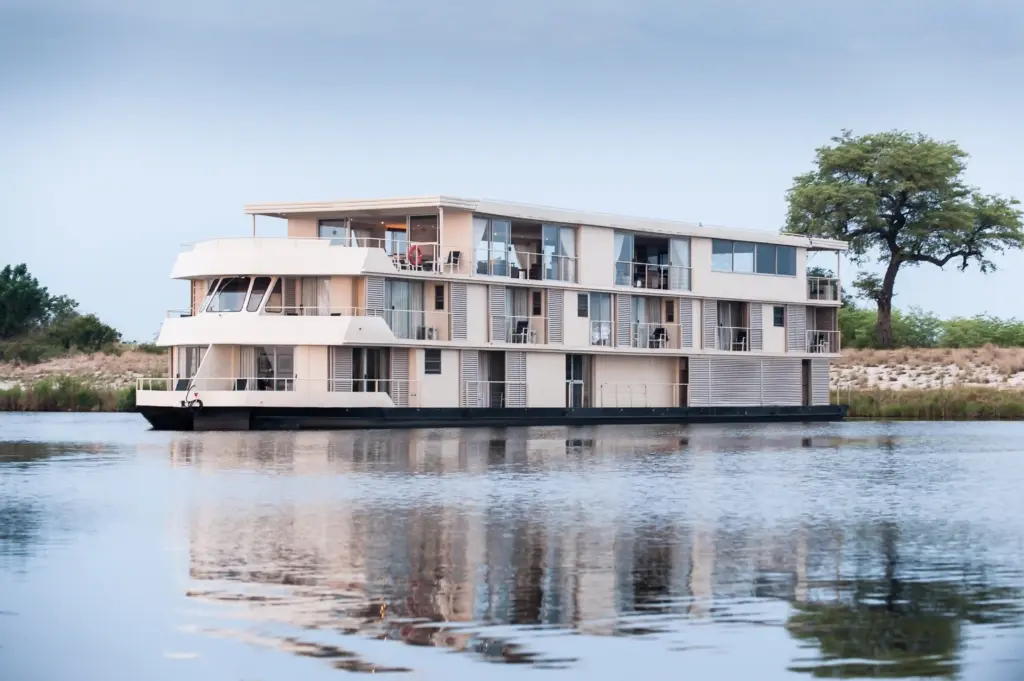
The best known is the Zambezi Queen, a 42 metre vessel that made her debut in 2009 with 14 suites, four of them master suites, for no more than 28 guests.
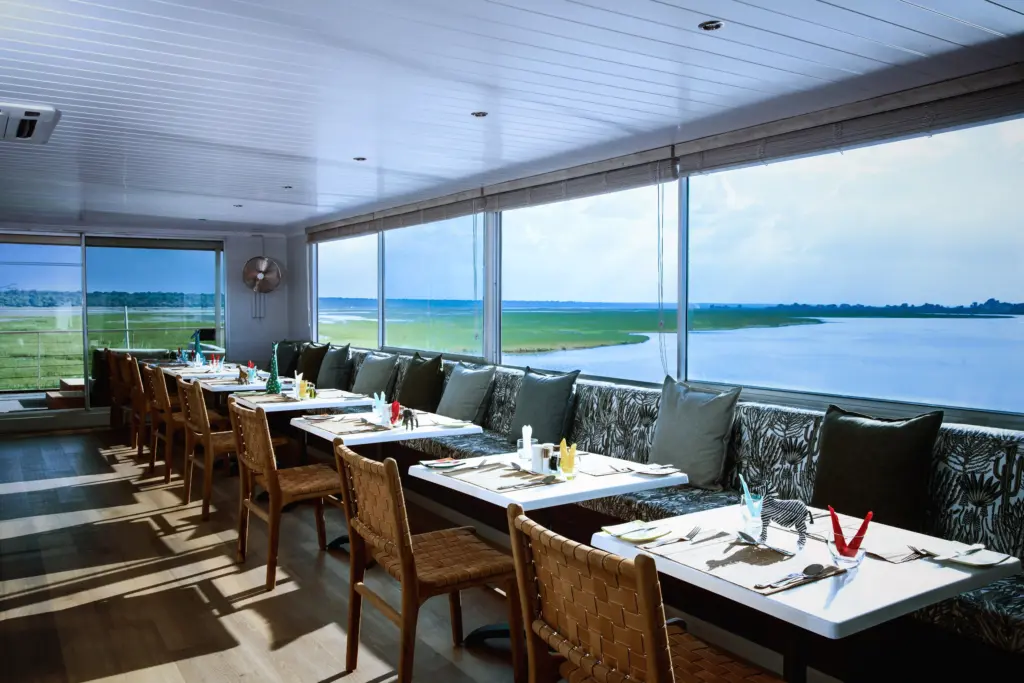
Every suite has a private balcony facing the river, and AmaWaterways builds her into its southern Africa journeys, pairing nights on the Chobe with Victoria Falls and land safaris.
Four countries and a famous waterfall
Few corners of the world pack in this much geography. Near Kazungula, just east of Kasane, the Chobe flows into the Zambezi at a point where Botswana, Namibia, Zambia and Zimbabwe all but touch. Since 2021 a bridge across the Zambezi has linked Botswana directly with Zambia. Even the islands carry stories. Sedudu Island, the low grassy plain where elephants often swim across to graze, was the subject of a border dispute between Botswana and Namibia that went all the way to the International Court of Justice in The Hague. In 1999 the court found in Botswana’s favour. The elephants, unconcerned either way, kept swimming.
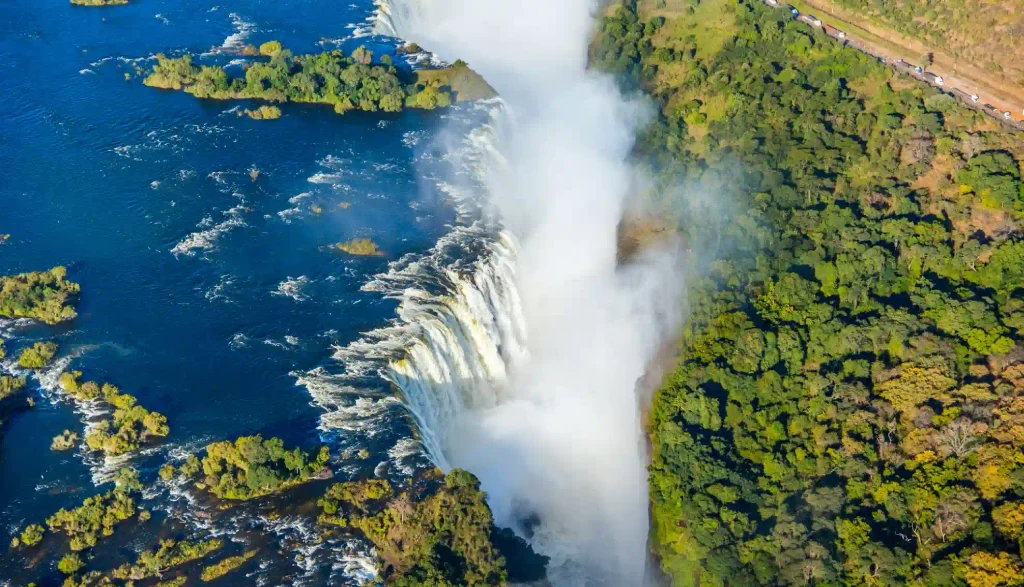
Victoria Falls lies only about 80 kilometres away, close enough to combine easily with a houseboat stay. Timing changes the experience dramatically. After a strong rainy season, the Zambezi peaked at around 4,200 cubic metres per second at the Falls on 1 April 2026, more than double the flow recorded on the same date a year earlier. Visit between March and May and you get the full thunder, along with spray that will soak you to the skin. Visit late in the dry season and the curtain of water thins, revealing the basalt face of the gorge and opening up views the spray hides for half the year.
When to go
The dry season from May to October is prime time, with elephant numbers on the riverfront building steadily and peaking from August to October. For New Zealanders there is a pleasing symmetry in that: the best of the Chobe arrives just as our own winter sets in. Be warned, though. October brings serious heat, with afternoon temperatures that can push towards 40°C. The green season, from November to April, is a quieter and very different proposition. The first rains turn the floodplains a vivid green, newborn animals appear across the park, migrant birds arrive in force and the crowds thin out. The big herds disperse inland, but the river stays productive and the photography, under towering storm skies, can be spectacular.



Recent Comments