

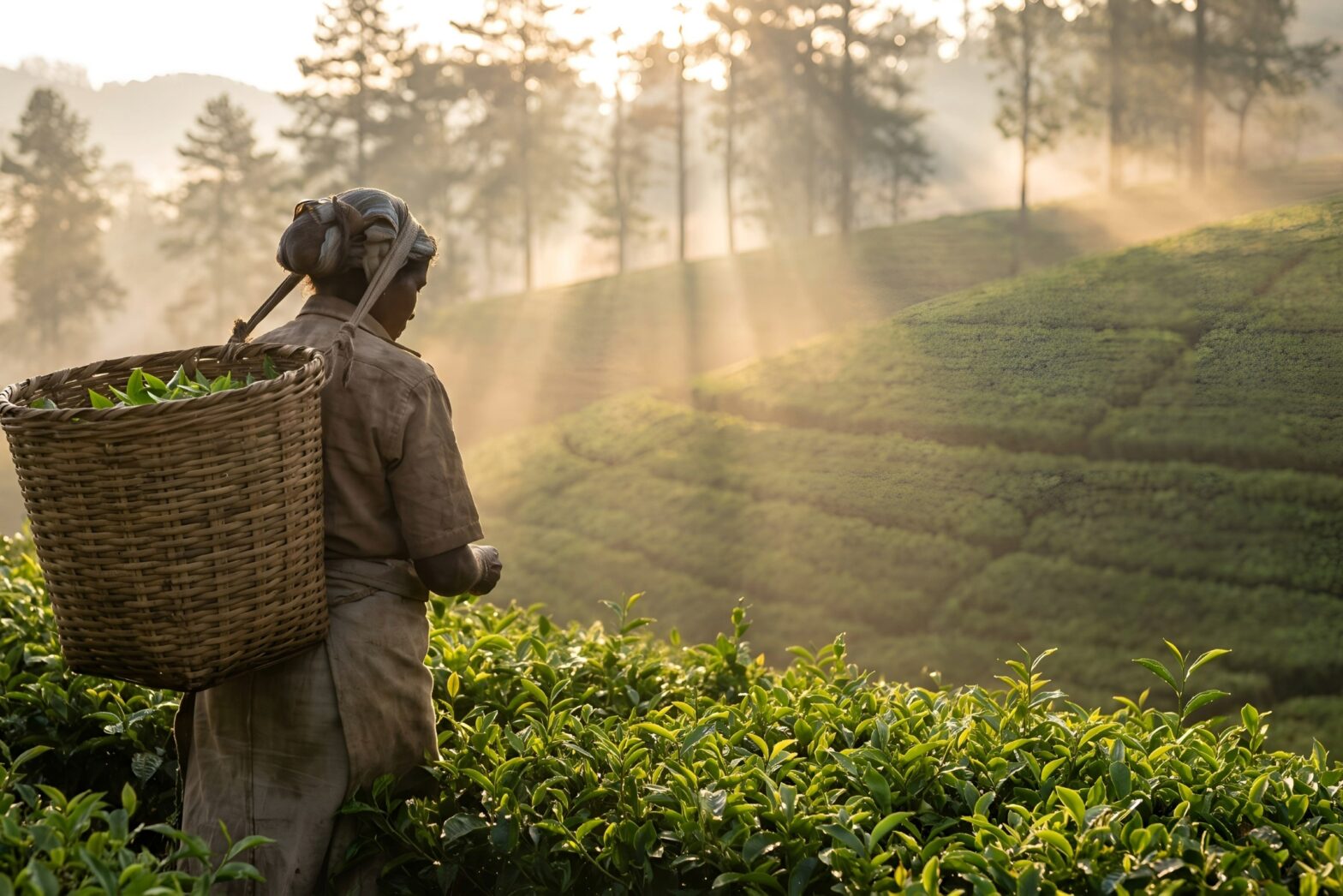
A journey through Nuwara Eliya, where the romance of Sri Lanka’s colonial hill country meets the enduring elegance of its tea estates.
There are places that invite you to slow down, and then there are places that seem to have been created for the very purpose of doing so. Nuwara Eliya, high in Sri Lanka’s central highlands, belongs firmly to the latter.
I have always believed that the true measure of luxury is not necessarily found in the grandness of a hotel or the exclusivity of an experience, but in the way a destination makes you feel. In Nuwara Eliya, it is the cool mountain air, the soft movement of mist across the hills, the scent of freshly plucked tea leaves and the quiet pleasure of watching a landscape unfold from the comfort of an old colonial veranda.
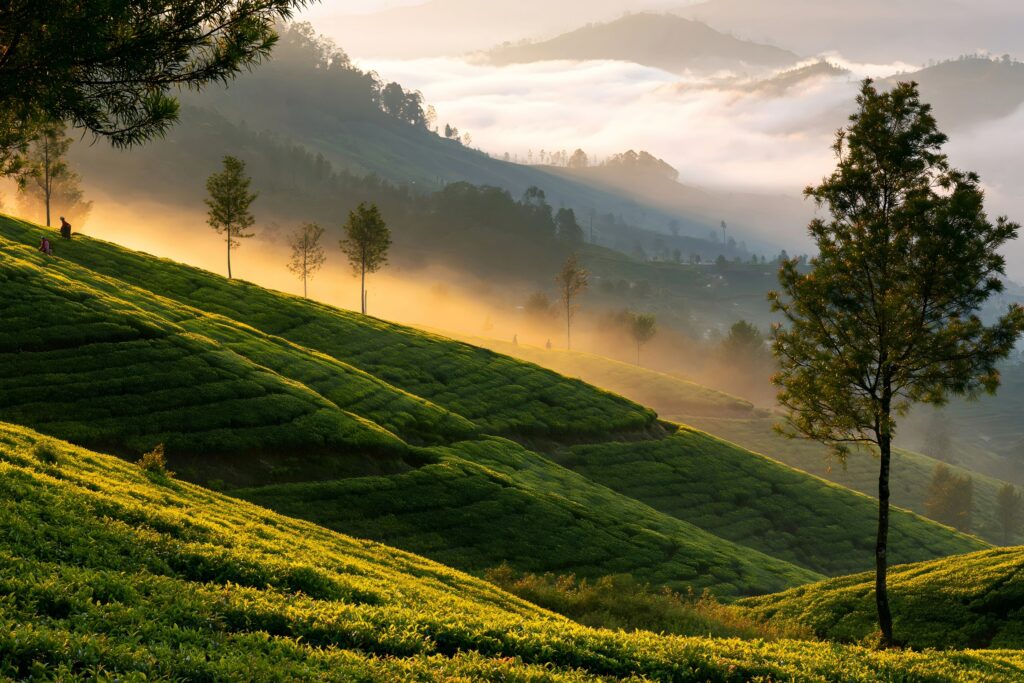
Known affectionately as Little England, this hilltown carries a distinctive character shaped by its British colonial past, its extraordinary natural setting and the tea industry that transformed the surrounding highlands. Yet beyond its familiar associations with Tudor style buildings, manicured gardens and afternoon tea lies a destination of considerable depth, where heritage and contemporary luxury can be experienced at an altogether more personal pace. The first thing I notice about Nuwara Eliya is the change in temperature. The warmth of the lowlands gradually gives way to a refreshing chill, and the landscape begins to take on a different rhythm. At around 1,868 metres above sea level, the town sits beneath the imposing presence of Pidurutalagala, Sri Lanka’s highest mountain. Its elevated position creates the conditions that have made this region so celebrated for its tea. I find myself drawn to the way the hills seem to breathe.
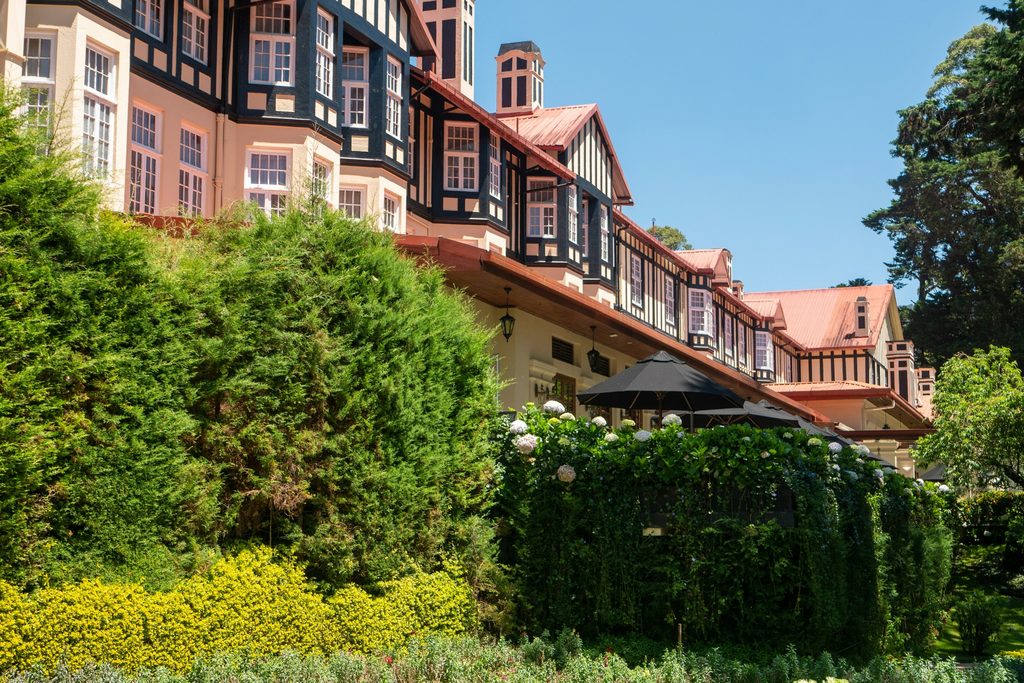
The town’s colonial identity is impossible to ignore, but it is also impossible to understand without looking beyond the picturesque façades. Nuwara Eliya was developed as a retreat for British colonial officials and plantation society during the nineteenth century. Sir Edward Barnes, Governor of Ceylon, helped establish it as a fashionable hill station, seeking refuge from the heat of Colombo. His residence became the foundation of what is now the Grand Hotel.
The elegance of the old hill station
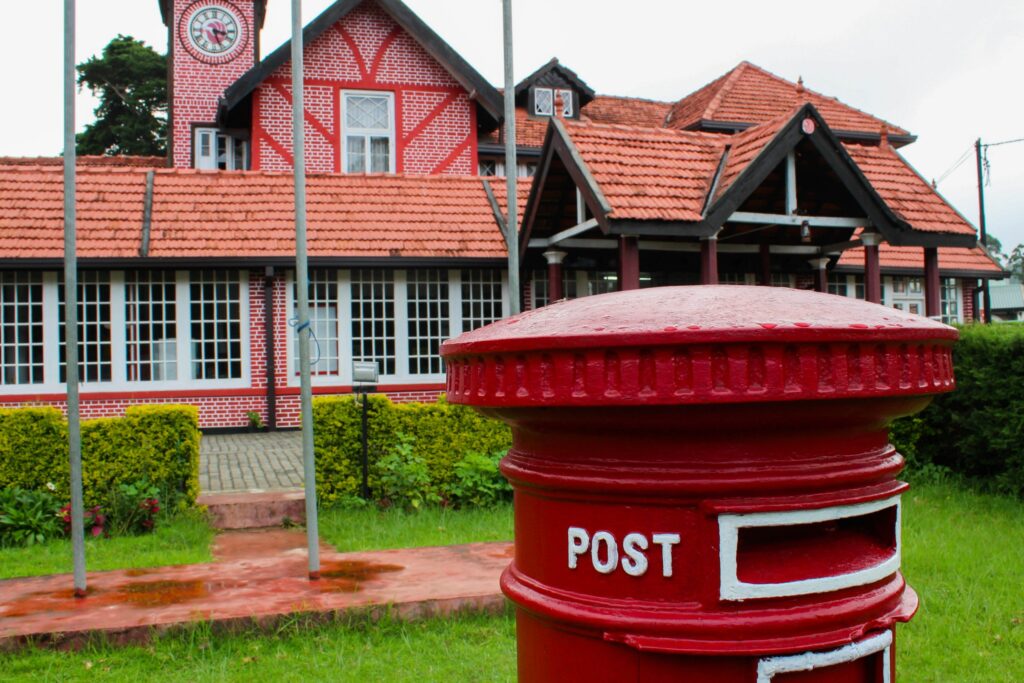
Nuwara Eliya’s colonial heritage is best experienced through its historic hotels and public spaces.
The Grand Hotel remains one of the most recognisable landmarks. Its origins are linked to Sir Edward Barnes’s residence, and its gardens, architecture and traditional hospitality continue to evoke the character of the old hill station.
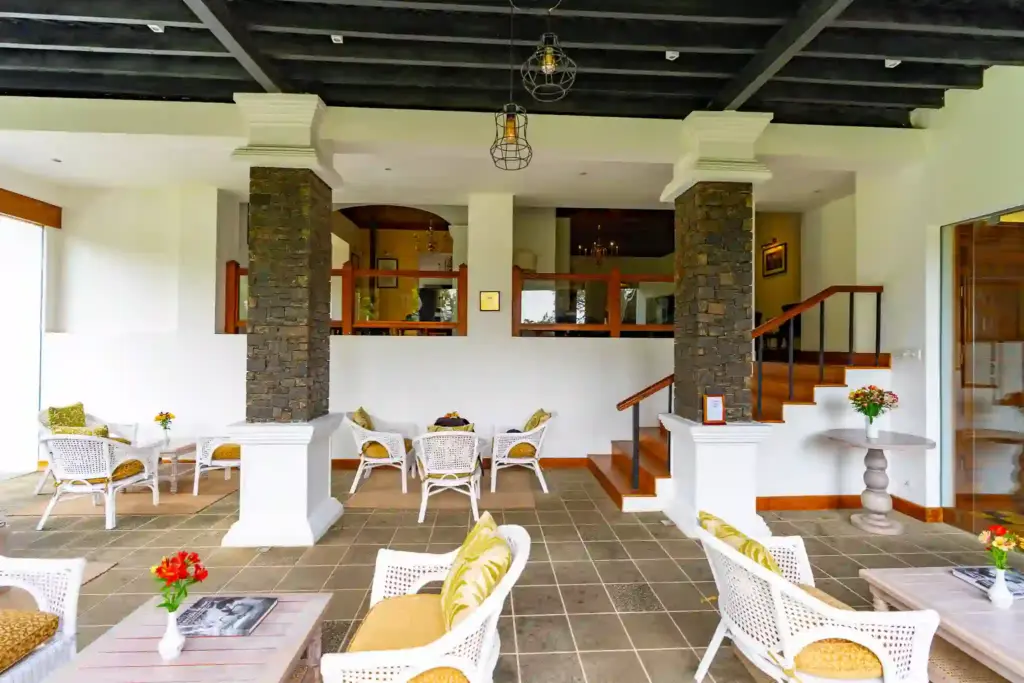
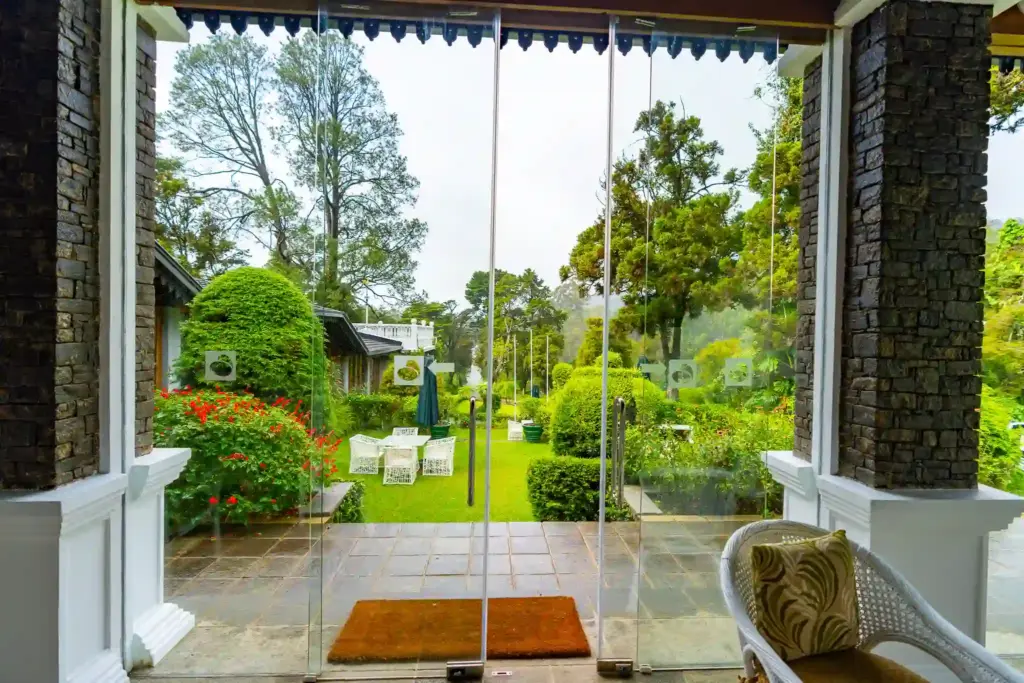
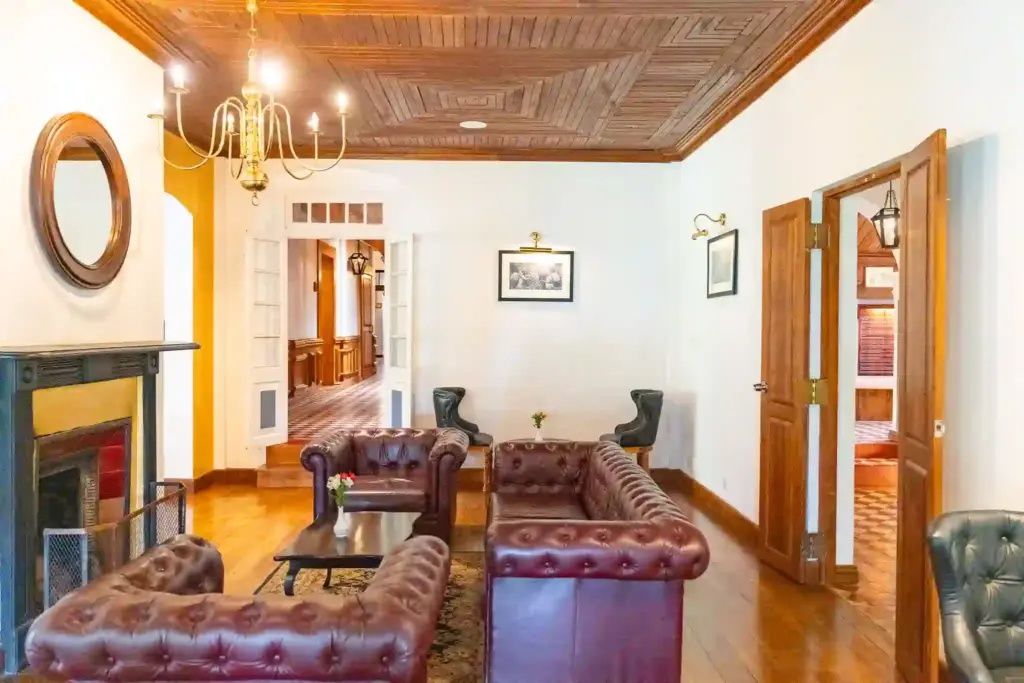
An overnight stay at the prestigious Grand Hotel St Andrews offers an authentic retreat reminiscent of that bygone era. Warm chesterfield sofas, roaring open fireplaces, and rich timber cladded walls leading out to open verandas invite complete relaxation within a royal setting.
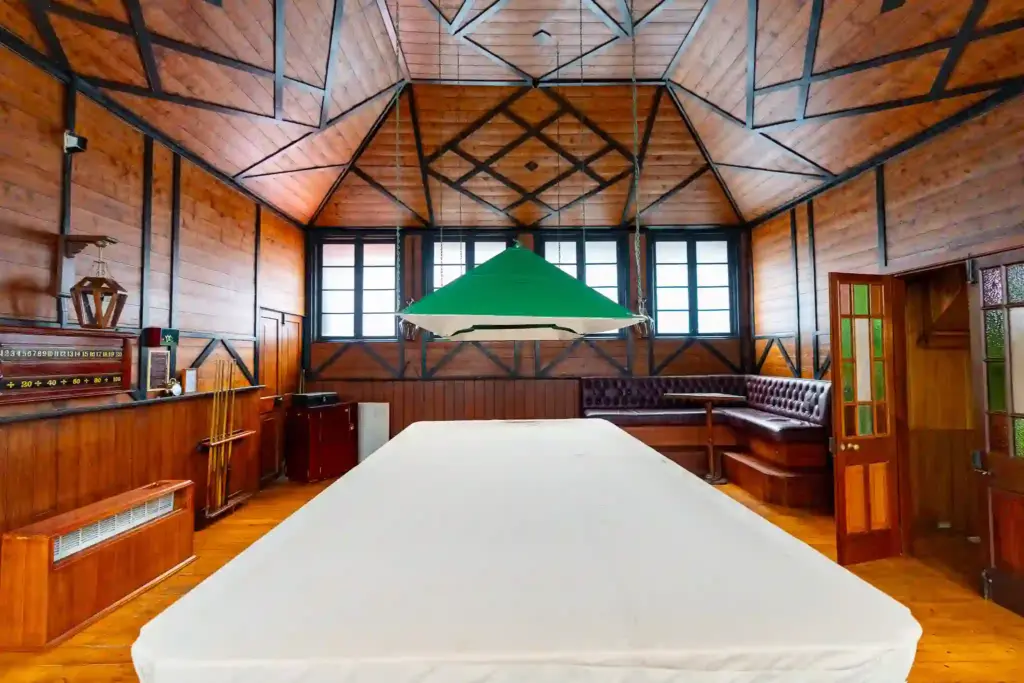
The hotel also houses the oldest billiards table in Sri Lanka, where guests can enjoy a leisurely game before sitting down to a hearty breakfast. he Hill Club offers another glimpse into the social world of colonial Nuwara Eliya. Founded in 1876 as a planters’ club, it retains an atmosphere of old world formality, with its historic clubhouse and traditional dining customs.
The tea plantations are undoubtedly the heart of the experience, but I would encourage travellers to leave some time for the wider landscape. For those with an interest in nature, Horton Plains National Park is another rewarding excursion. Its highland trails and dramatic landscape offer a striking contrast to the cultivated tea estates, while the famous World’s End viewpoint provides a memorable perspective over the central highlands.
A more considered kind of luxury
What stays with me most about Nuwara Eliya is not a single hotel, estate or experience. It is the way the destination brings them together. The cool climate, the historic hill station, the tea gardens and the enduring craft of tea production create a sense of place that is difficult to replicate. There is a richness here that extends beyond the visual appeal of the landscape, shaped by history, culture and the people who continue to work the land.
As a luxury traveller, I am increasingly drawn to destinations that offer more than polished service and beautiful accommodation. I want to understand what makes a place distinctive, to meet the people who give it character and to experience its traditions in a way that feels meaningful. Nuwara Eliya offers precisely that. It is a destination where a morning in the tea fields can be followed by an elegant afternoon tea, where a restored factory becomes a remarkable place to stay and where the simplest cup of tea can become an experience worth remembering.
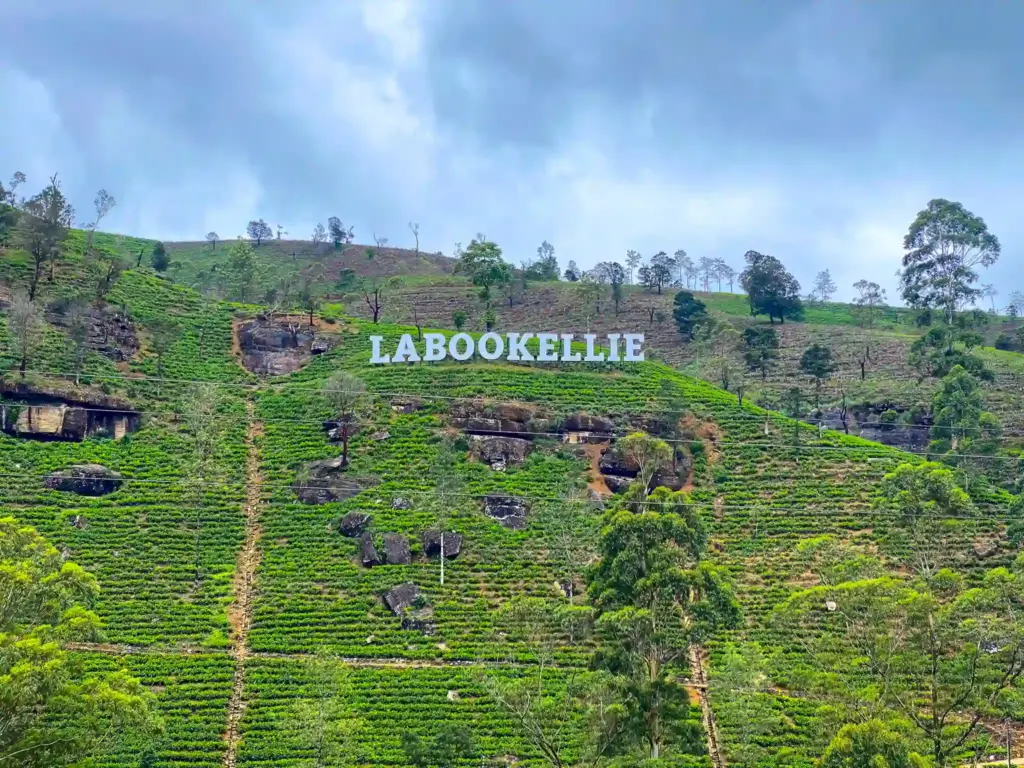
I leave the highlands with a renewed appreciation for Ceylon tea, but also with a deeper understanding of the landscape that produces it. The hills of Nuwara Eliya are beautiful, certainly, but their real luxury lies in the stories they hold, the craft they sustain and the rare opportunity they offer to slow down and savour both.




Recent Comments